




The old-school method of buying and selling vehicles is all but gone. There’s been a huge digital transformation in the automotive industry.
Whether it’s marketing, following leads, or closing the deal, things have changed dramatically. The COVID-19 pandemic has changed car sales techniques for good. During this time, dealerships quickly learned to sell cars online, without physical contact with customers, and through the use of digital mediums. Today, we see many changes in the industry that continue to make a huge difference in the car buying and selling process.
Let’s look at the digital transformation as it applies to car dealerships.
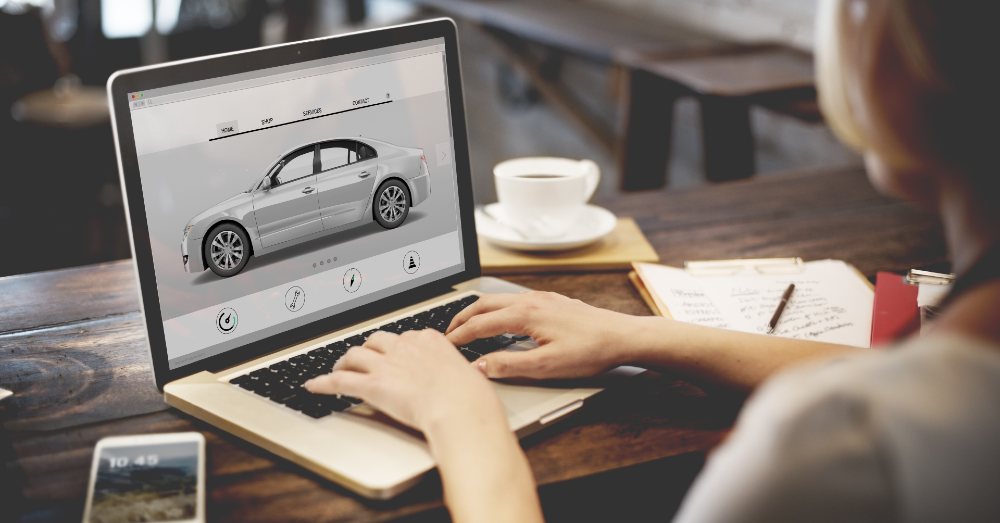
Purchases continue to move online
Younger buyers are much more comfortable using online sources to buy and sell anything. Today, as much as 88% of potential car buyers start by researching cars online. The advancements in AI technology allow shoppers to feel like they’re engaging with the sales team at a dealership regardless of the hour. This makes it much easier to close the deal and utilize online tools to complete the sale. Although the sales process begins online, 79% of car buyers still enjoy the contact of visiting a dealership and going for a test drive before closing the deal.
Personalized connection and engagement is a must
Digital marketing continues to evolve toward enhanced engagement through AI and data analysis. This is a huge part of the digital transformation in the automotive industry. No longer are car shoppers being held hostage by their televisions with loud, shouting car sales commercials aimed at anyone willing to listen. Instead, marketing teams use various methods to focus efforts on segments of the target audience to ensure the marketing is geared toward each unique group, providing a personalized feeling to the advertising.
Marketing strategies have moved to omnichannel efforts
Car dealerships cannot rely solely on their website and search engine results to put their inventory in front of customers. Many car shoppers utilize social media platforms, videos, websites, and online reviews to direct their attention and make a purchase. Additionally, these omnichannel efforts must also focus on various devices. Most car shoppers use smartphones or tablets to search for their next vehicle, with laptops and desktop computers being secondary devices for these search efforts.
Dealerships must use video marketing
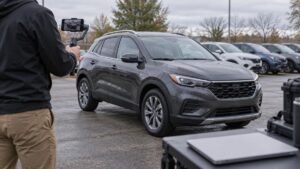
Before many people take the time to leave the house and visit a car dealership, they want to understand more about the vehicles offered. This is where video review and inventory walk-around videos come into play. Today, 91% of people want to see videos from car brands to understand more about the models offered. Although that’s the case, 43% of companies don’t have a video marketing strategy. This puts those companies at a serious disadvantage.
Leads come in new ways
In the old days, car sales leads came in via cold calls, walk-ins, and television advertising. Part of the digital transformation in the automotive industry is the way leads arrive at dealerships. Today, everything is digitized, and 21% of car buyers start their engagement with dealerships via social media. Today, YouTube, Facebook, and Instagram generate the most leads, while TikTok isn’t far behind the three big platforms. This social media engagement continues after the purchase, with many car owners using social media for service-related questions and answers.
A new approach to marketing based on search terms
Just because some car shoppers are budget-driven and need to buy vehicles that fit into their monthly plans, these car buyers aren’t looking for cheap vehicles. Instead, they want to buy the best cars possible for their money. This means searches beginning with “cheap” are out, and those with “best” are in. This means customers aren’t as focused on the short-term benefits of price but on the long-term benefits of a quality vehicle at a fair price.
A new market emerges
Some car dealerships have refused to add electric vehicles to their inventory, but these dealers are losing out on a new market. Although EV demand has its ebbs and flows, it’s apparent these new electric models are the future of driving. Like any other new product, it will take time for the pricing and technology to catch up and make EVs more affordable, but when that happens, these electric models will likely replace gas and diesel-powered vehicles for good. Dealers that add EVs to the lineup now will most likely reap the benefits in the future.
These are only a few ways that the automotive industry is experiencing a serious digital transformation to a new age. From marketing to a new segment of the car market, shopping for a new vehicle has changed for good.
This post may contain affiliate links. Meaning a commission is given should you decide to make a purchase through these links, at no cost to you. All products shown are researched and tested to give an accurate review for you.