



Car shoppers walk into 2026 with higher expectations and shorter patience. They research on their phones, ask AI assistants for advice, and expect the dealership to already know what they want by the time they reach the lot. Marketing that treats every visitor the same simply cannot keep up anymore.
- AI-driven personalization is becoming the default, not a nice-to-have add-on
- Search is shifting toward AI answers, so websites need clean, structured data
- Shoppers move between online and in-store, and they want the handoff to feel effortless
Personalization Finally Grows Up
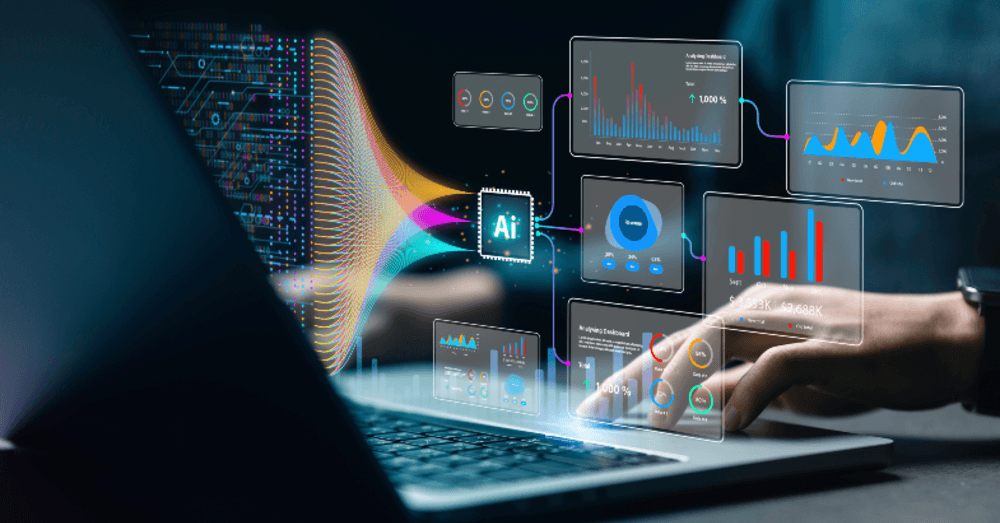
For years, dealership websites showed the same homepage to everyone. That approach is fading fast. In 2026, artificial intelligence sits behind most meaningful shopper interactions, quietly reshaping static pages into experiences that respond to who is actually browsing. Predictive analytics can read shopping signals and serve up tailored messaging and real-time vehicle recommendations that help a buyer make up their mind sooner.
Search Is Changing, and So Are the Rules
People used to type a few words into a search bar and scroll through blue links. Now many start a car hunt by asking an AI assistant a plain-language question and reading the answer it hands back. That shift has a name in marketing circles, Generative Engine Optimization, and it changes what a dealership website needs under the hood.
Structured data, clean and well-organized content, and pages that AI crawlers can actually read now decide whether your inventory shows up in those AI answers. A shopper comparing full-size SUVs might ask an assistant something like Denali vs Escalade and expect a straight recommendation, and the dealerships whose sites are built for this new search style are the ones that get surfaced in the reply. Visibility used to be about ranking. Increasingly it is about being the answer.
One Journey, Many Touchpoints
Very few buyers follow a straight line from ad to signature. They research at midnight, price a trade-in over lunch, visit a showroom on Saturday, then finish paperwork online. Omnichannel retailing is the industry’s answer to that messy reality. The goal is a single connected journey where a shopper can start anywhere and pick up right where they left off.
This is where 2026 buying looks genuinely fragmented. A recent Urban Science study with The Harris Poll, drawing on responses from more than 3,000 U.S. auto buyers and 252 dealers, found the buyer journey growing more digital and more scattered across channels. When a dealership unifies its workflows and shares data across those channels, the customer stops repeating themselves and the sales team stops guessing. Everyone saves time.
Data You Own Beats Data You Rent
Third-party tracking is on its way out, so the value of first-party data has climbed. This is the information a dealership gathers directly from its own shoppers, and in 2026 it drives the smart decisions. Advanced analytics can flag which leads look ready to transact, shape outreach around real behavior, and tie marketing spend back to actual sales with far less guesswork.
That precision matters when budgets are tight. Instead of blasting the same offer to a huge list, a store can focus effort on the handful of buyers who are genuinely close to purchasing. The result tends to be a better return and a lot less wasted advertising money.
People Still Close the Deal
For all the talk of automation, the human side has not lost its value. Marketing leaders across the industry describe AI as a tool that trims workload pressure rather than one that replaces staff. Technology can move faster and surface insights instantly, but trust gets built by a person who answers questions honestly and remembers what the customer cares about.
The stores winning in 2026 pair sharp tools with sharp people. Software finds the transaction-ready buyer and personalizes the first touch. A well-trained team takes it from there. Neither piece works as well alone, and shoppers can feel the difference when both are firing.
Getting Ready for the Year Ahead
None of this requires ripping everything out and starting over. Start with the website, since it feeds both AI search and personalization. Clean up your data so it is organized and machine-readable. Connect your online and in-store systems so a shopper’s journey stays intact. Then let your people do what software cannot, which is earn trust face to face. Dealerships that get those pieces working together will spend 2026 meeting buyers where they already are instead of chasing them.
This post may contain affiliate links. Meaning a commission is given should you decide to make a purchase through these links, at no cost to you. All products shown are researched and tested to give an accurate review for you.